Connected speech
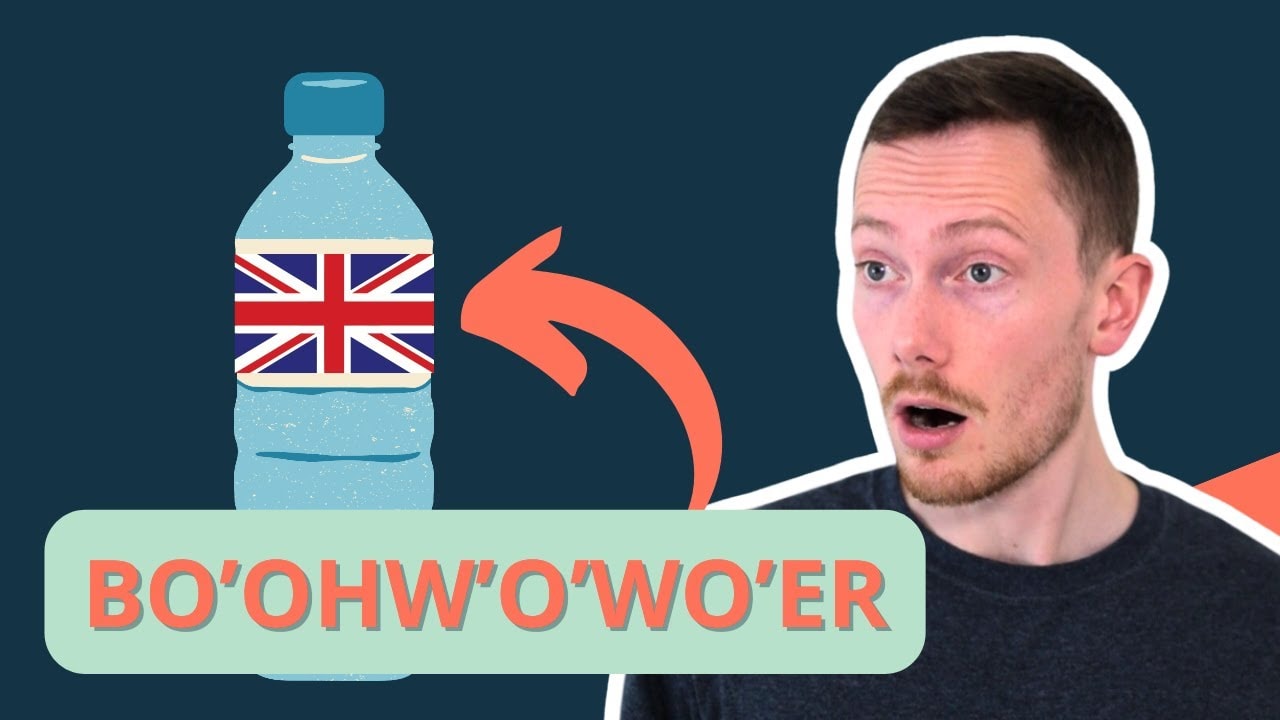
Why British people say “bo’ohw’o’wo’er”
The glottal stop, explained with the internet's favourite example. Once you hear where the /t/ goes, a lot of British speech stops sounding slurred.
8.6K views on YouTubeWatch →
Filter by what you want to practise and by level. Every lesson opens a page with the video, and every video plays from the creator's YouTube channel — nothing is re-hosted here.
The glottal stop, explained with the internet's favourite example. Once you hear where the /t/ goes, a lot of British speech stops sounding slurred.

One letter, more than one sound. When “x” is /ks/, when it turns into /gz/, and why the stress in the word decides it.

The British name for the letter, and the more useful part — where the /z/ sound actually turns up in ordinary words.
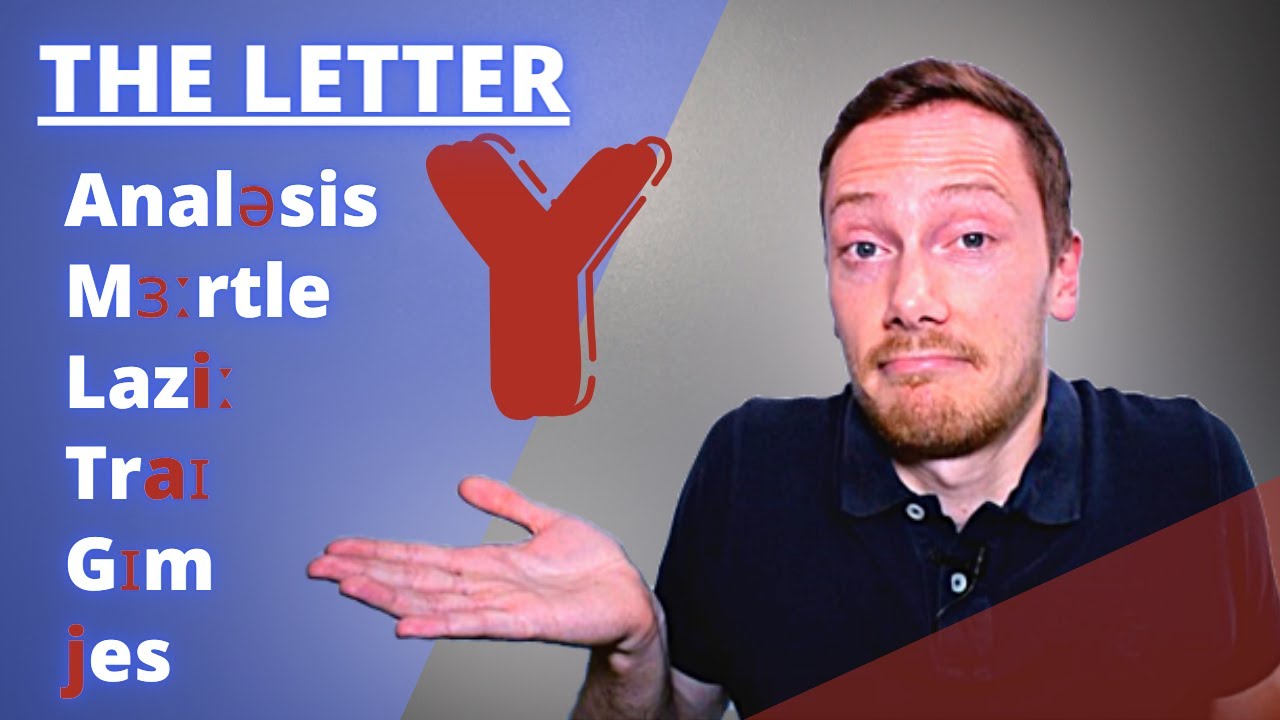
“y” behaves as a consonant and a vowel depending on where it sits. Ed sorts the cases with examples you can copy out loud.

Why your first language decides which English sounds feel impossible — and which ones you already have without realising.
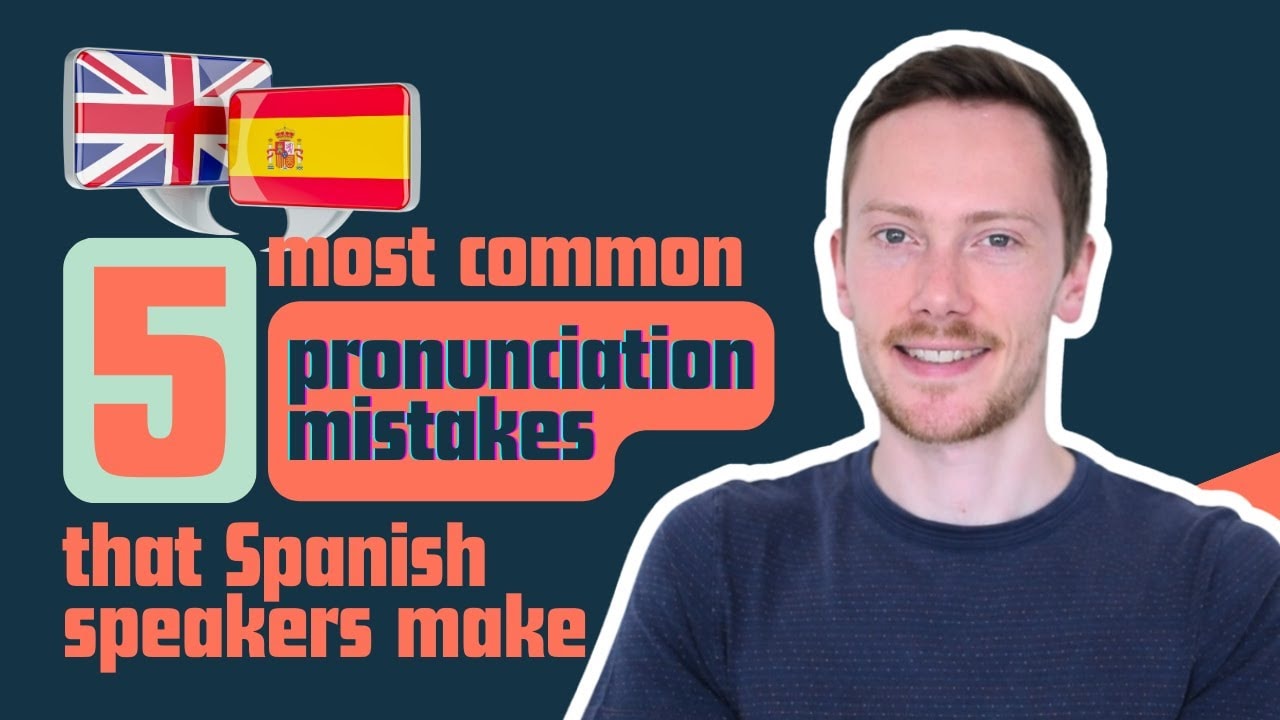
Specific, fixable habits — the vowel swaps and added sounds that mark a Spanish accent, with drills for each.
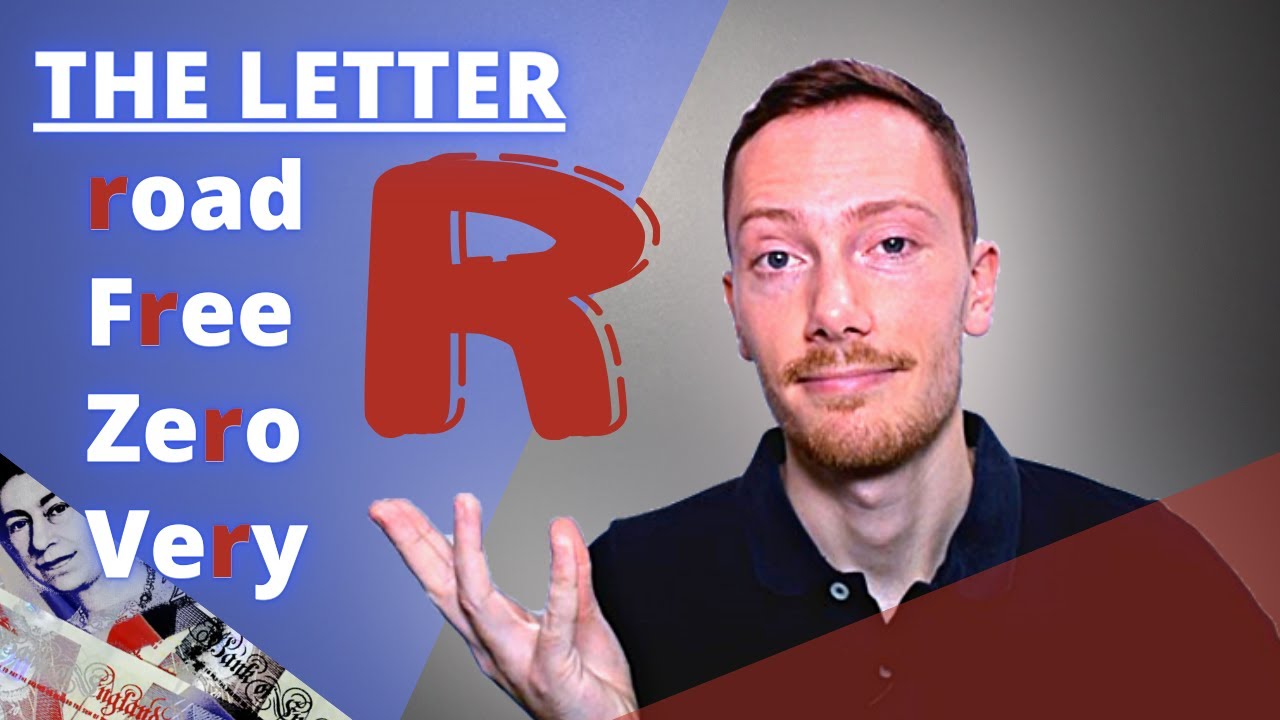
The British /r/ and, just as importantly, the many places where it is written but never said at all.

Native speakers drop /h/ constantly in fast speech. Knowing when it happens makes listening far easier.

A practical answer rather than a snobbish one: pick for who you speak to, and stop worrying about the rest.
Spelling that lies to you, vowels that outnumber the letters, and stress that moves. A good place to start.
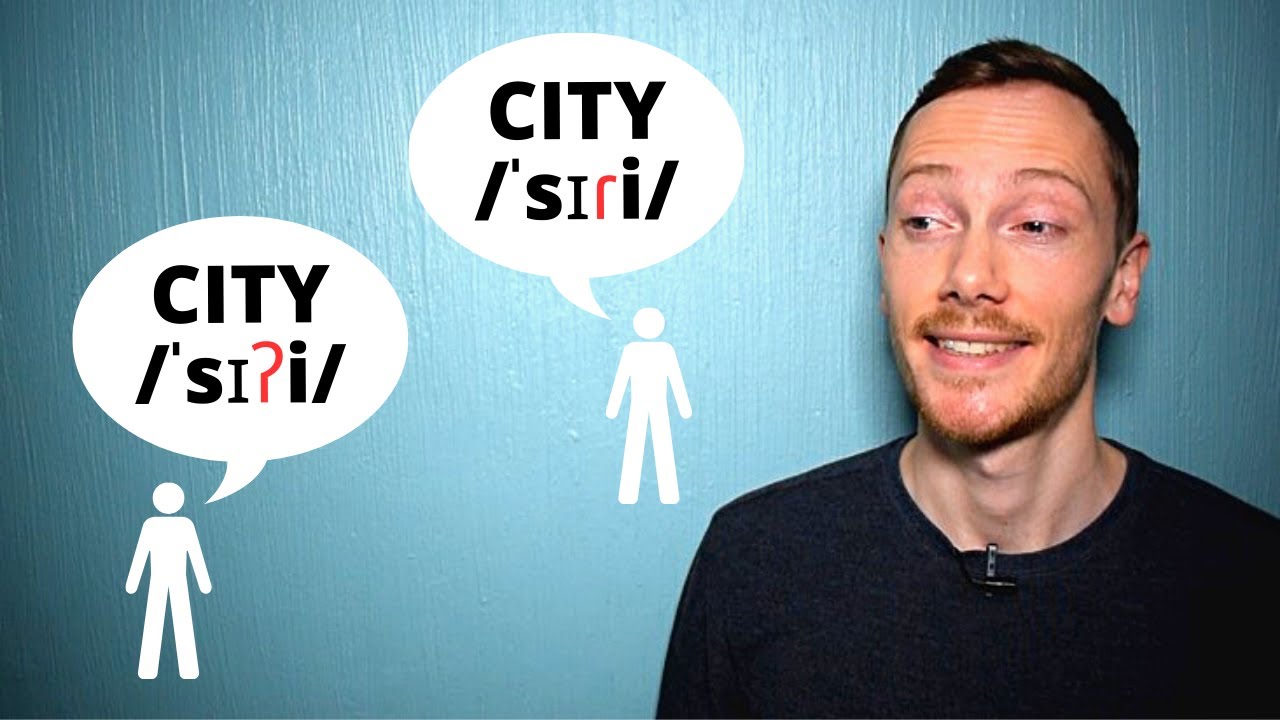
What actually shifts between regions. Hearing the pattern trains your ear for accents you have never met.

“s” is often a /z/ — in plurals, in verbs, in ordinary words. The rule is simpler than it looks.

A sane take on a loaded topic: clarity is the goal, and losing your accent entirely is neither necessary nor the point.
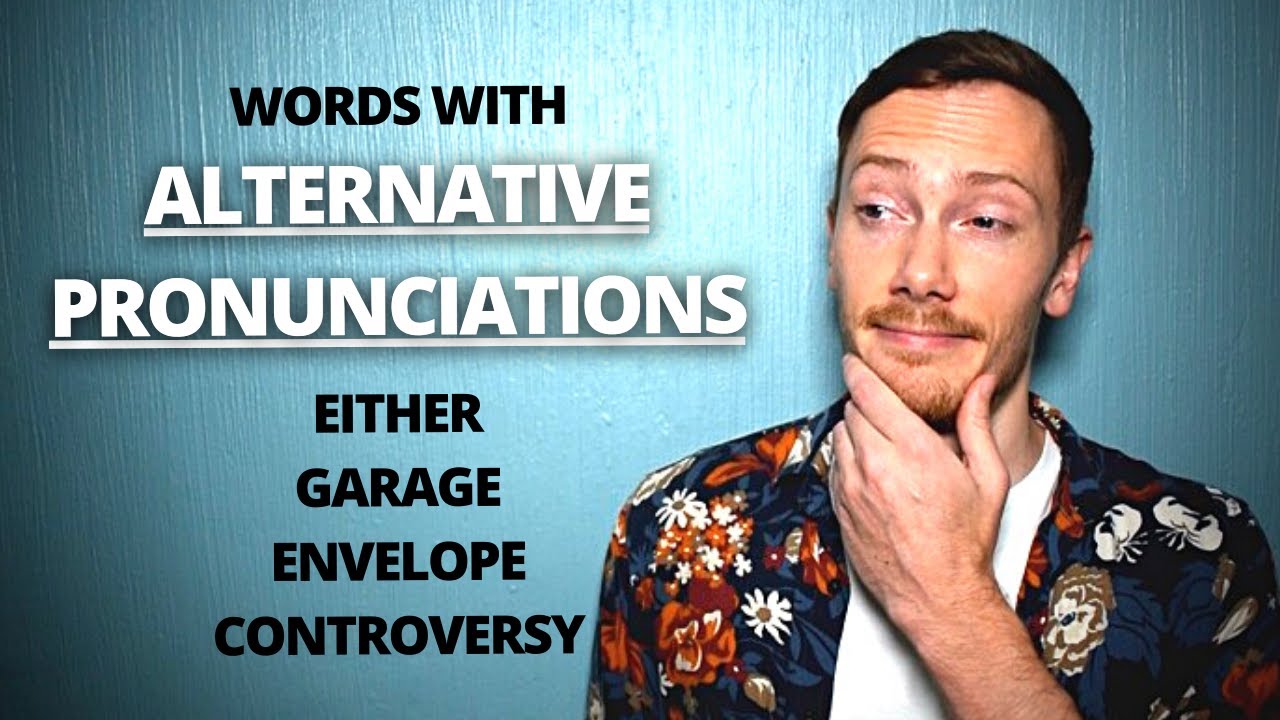
Some words are said two ways and both are correct. Which to pick, and why nobody will mind either way.

Progress on pronunciation is slow and invisible for weeks. How to keep going long enough to hear it.
Showing 15 of 15 lessons.
These are the lessons that existed when the index was built. For everything since, go straight to Lean English Pronunciation on YouTube.