An unofficial index of 15 short lessons from Lean English Pronunciation, sorted by topic. Every lesson plays on YouTube, on the creator’s channel, where it belongs.
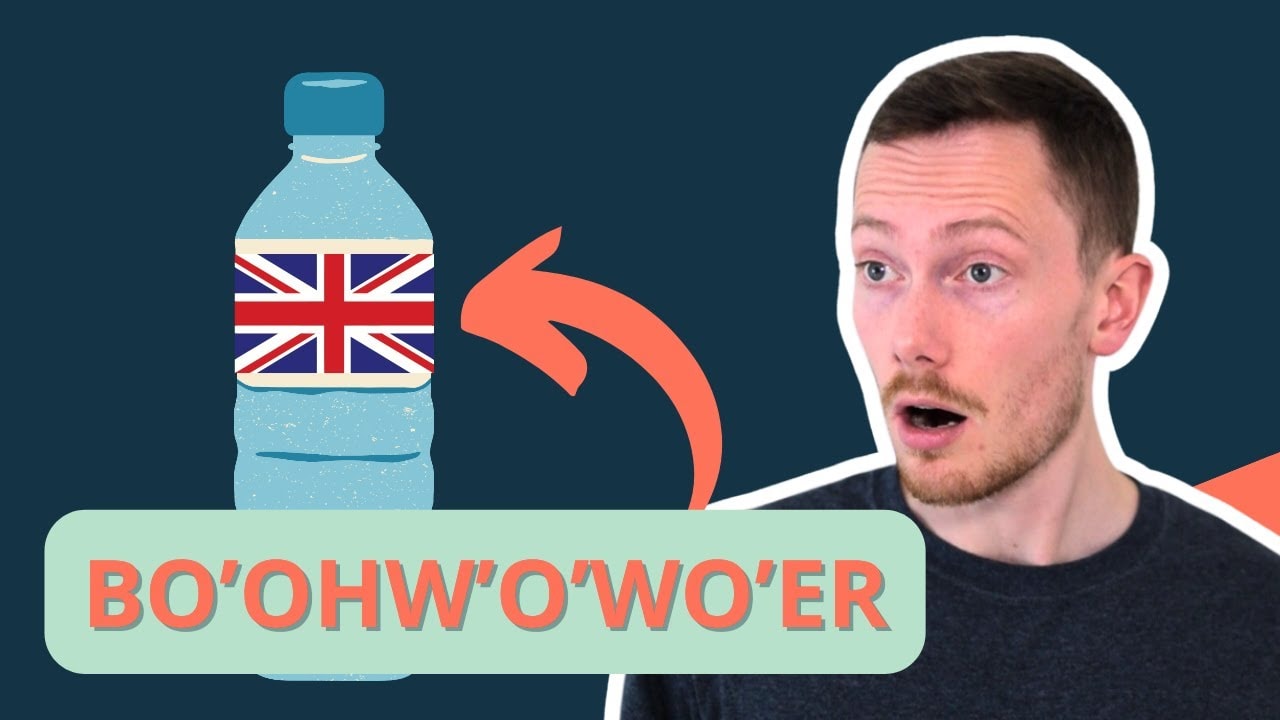
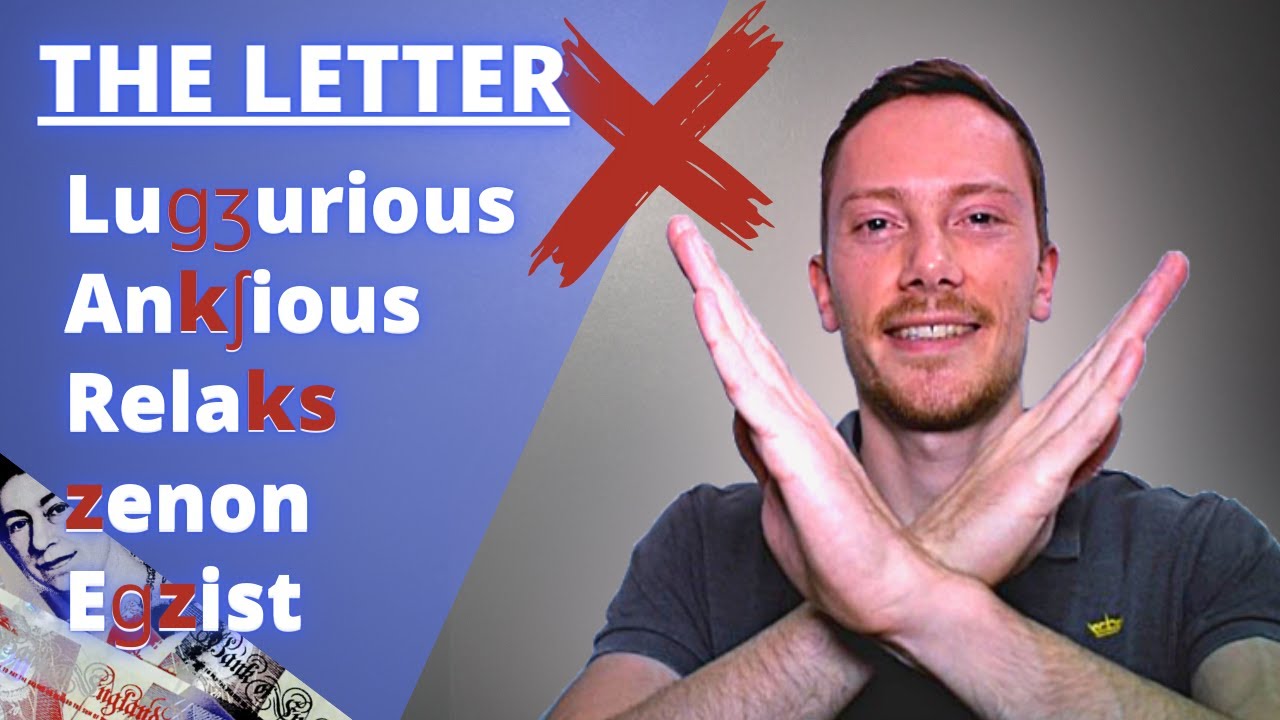
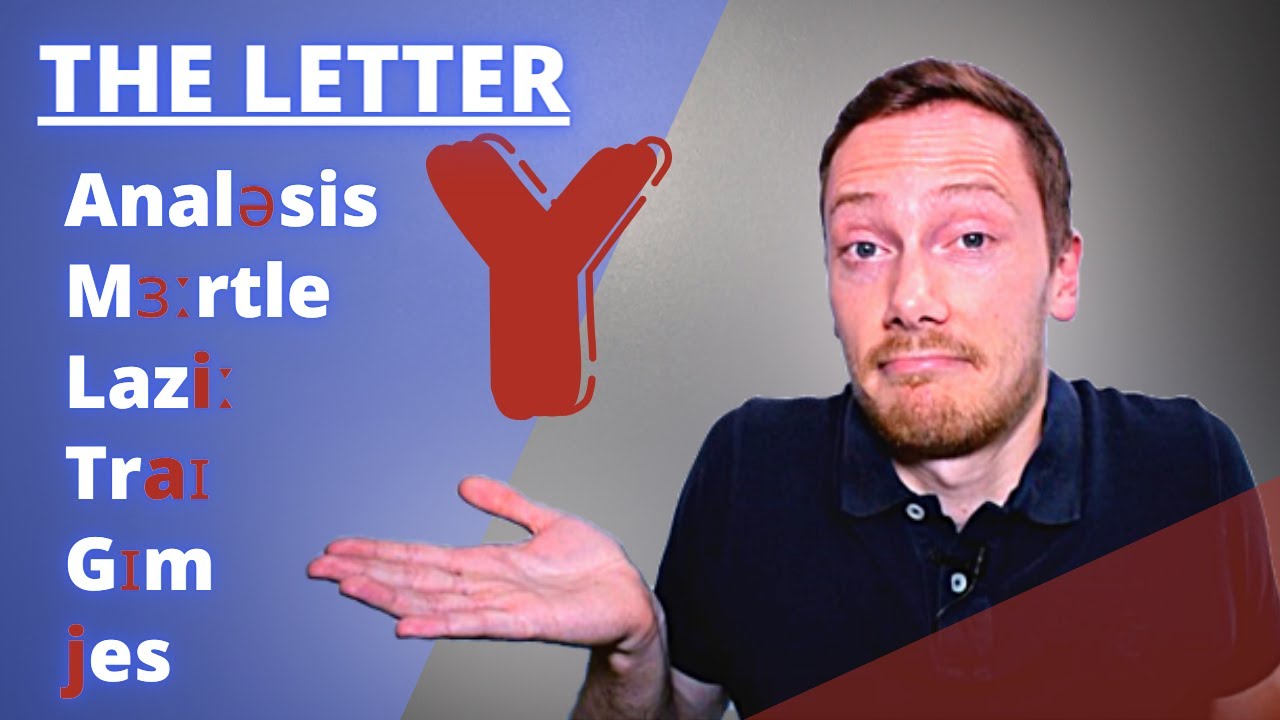
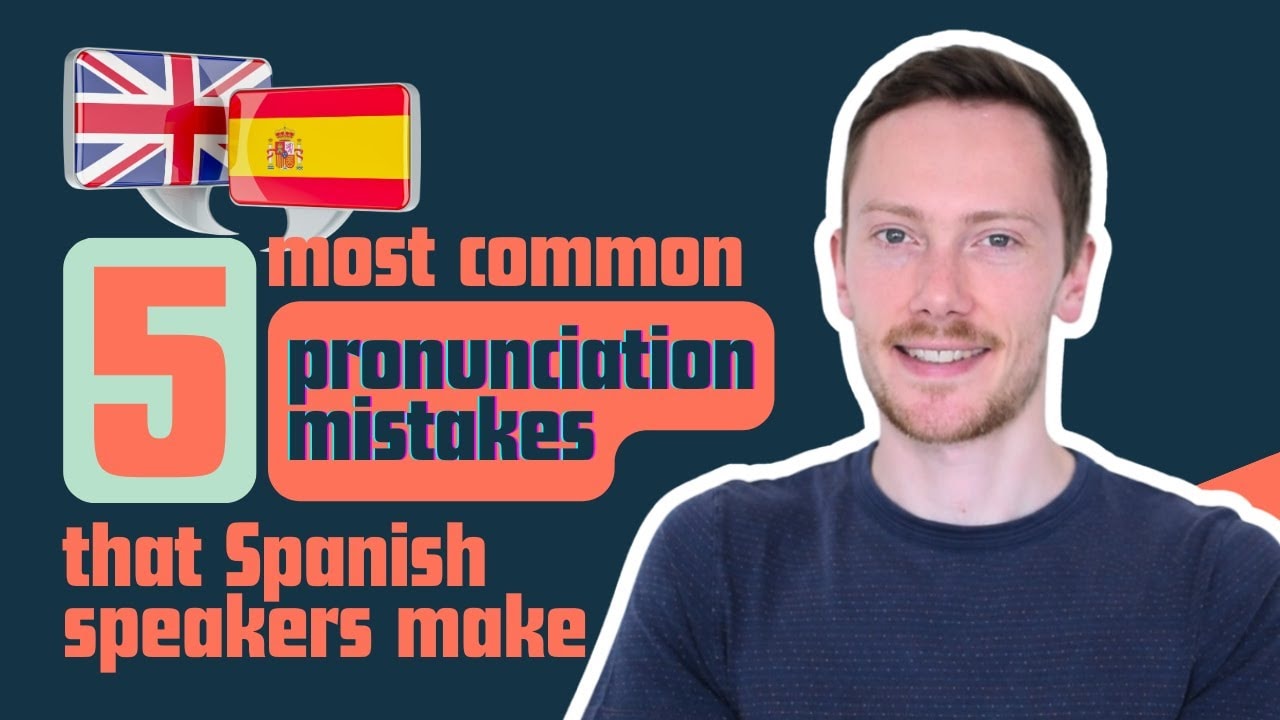
ConnectedWhy British people say “bo’ohw’o’wo’er”/SoundsHow to pronounce the letter “x”/SoundsHow to pronounce the letter “z”/SoundsHow to pronounce the letter “y”/MethodWhich first languages find English easiest/SoundsFive mistakes Spanish speakers make/SoundsHow to pronounce the letter “r”/ConnectedWhen the /h/ sound disappears/AccentsWhich English accent should you learn?/MethodWhy English pronunciation is so hard/AccentsConsonant changes across accents/SoundsHow to pronounce the letter “s”/MethodAccent reduction vs. elimination/SoundsWords with more than one pronunciation/MethodStaying motivated with pronunciation/
ConnectedWhy British people say “bo’ohw’o’wo’er”/SoundsHow to pronounce the letter “x”/SoundsHow to pronounce the letter “z”/SoundsHow to pronounce the letter “y”/MethodWhich first languages find English easiest/SoundsFive mistakes Spanish speakers make/SoundsHow to pronounce the letter “r”/ConnectedWhen the /h/ sound disappears/AccentsWhich English accent should you learn?/MethodWhy English pronunciation is so hard/AccentsConsonant changes across accents/SoundsHow to pronounce the letter “s”/MethodAccent reduction vs. elimination/SoundsWords with more than one pronunciation/MethodStaying motivated with pronunciation/
Why these work
Onesoundatatime,taughtoutloud
The channel's format does the heavy lifting. This site just makes it filterable and suggests an order.
01
One sound per video
Turn over →
A single letter, a single habit. Ed stays with it for the whole video, which is far easier to hold on to than a general pronunciation lesson.
02
Taught out loud, on camera
Turn over →
You can see the mouth making the sound, not just read about it. Pronunciation is physical, and it is taught here like a physical skill.
03
A real teacher, not a script
Turn over →
Ed is CELTA-qualified and from the UK. Every lesson is him explaining British English on camera — no synthesised voice, no stock montage.
The lessons
Pickoneandpressplay
Filter by what you want to practise. Each opens a page with the video and a link straight to it on YouTube.
Sample quotes — placeholder copy written to fill this layout, not reviews collected from learners.
M
@marta_learns
I had been told for years that my English was good and still could not follow a normal conversation in London. The glottal stop video explained more in eight minutes than a term of classes did.
Marta · Valencia
Y
@yssf.speaks
One sound per video is the part that works. I stopped trying to fix my whole accent at once and spent a week on /r/ instead, which is the first time anything actually stuck.
Youssef · Casablanca
H
@hana_osk
Being able to watch the mouth makes the difference. Reading about where the tongue goes never helped me. Copying what I could see did.
Hana · Osaka
L
@lucainmilan
The lesson on which accent to learn took the pressure off. I had been treating one accent as correct and everything else as a mistake.
Luca · Milan
A
@ana.pratica
Three short passes instead of one long watch. It sounds too simple to matter and it is the only study advice I have kept doing after a month.
Ana · São Paulo
T
@tomasz_k
Fast speech stopped sounding like slurring once I understood which sounds disappear on purpose. That was the whole problem and nobody had named it.
Tomasz · Kraków
A
@amelie.ln
The five mistakes video was uncomfortably accurate about my first language. I recognised myself in all five and fixed two of them in a fortnight.
Amelie · Lyon
R
@ravi_speaks
Free, short, no account to make. I watch one on the train, repeat it out loud at home, and that is the entire routine.
Ravi · Pune
S
@sofiab
Reduction versus elimination was a relief to hear said out loud. I want to be understood clearly, not to sound like somebody I am not.
Sofia · Bogotá
K
@kwame.eng
I use the index to pick one thing on Sunday and stay with it all week. Having them sorted by topic is the reason I stopped drifting.
Kwame · Accra
E
@elif_reads
Short enough that there is no excuse. Eight minutes is less than the time I used to spend deciding what to study.
Elif · Izmir
N
@nguyen.dn
The letter videos are the ones I keep going back to. I had been making the same substitution my whole life without hearing it.
Nguyen · Da Nang
K
@kat_zg
Nothing to buy and nobody asking for my email. It is a teacher explaining something on camera and that turns out to be enough.
Katarina · Zagreb
D
@diego.mvd
I shadow one video every morning while making coffee. Two months in, colleagues have stopped asking me to repeat myself on calls.
Diego · Montevideo
P
@priya.says
The point about pronunciation being physical rather than knowledge changed how I practise. I stopped reading about it and started doing reps.
Priya · Chennai
J
@jonas_hh
The disappearing /h/ lesson answered a question I had carried for years without being able to phrase it properly.
Jonas · Hamburg
How to actually use them
Three passes beat one long watch
01
Watch one sound at a time
Each video takes a single letter, sound or habit and stays with it. That is far easier to hold on to than a general “pronunciation” lesson.
02
Copy it out loud, badly
Pronunciation is a physical skill. Saying it wrong ten times and adjusting beats understanding it perfectly in silence.
03
Come back in three days
Your mouth forgets faster than your head does. Re-watching a lesson later in the week is what makes the change stick.
About the channel
Lean English Pronunciation
Ed is a CELTA-qualified English teacher from the UK who films short, on-camera lessons about British English pronunciation — phonetics, stress, intonation and connected speech, one idea at a time.
This site is a fan-made index, built to make those videos filterable by topic. It is not run by the creator, and it sells nothing. If the lessons help you, the useful thing you can do is subscribe.
No. This is an unofficial study companion. Every video belongs to Ed at Lean English Pronunciation on YouTube, plays from YouTube, and links back to the channel. If the lessons help you, subscribe there — that is where the work actually happens.
No, and there is nothing to buy here. The videos are free on YouTube and the study paths are only a suggested order to watch them in.
British. Ed is a CELTA-qualified teacher from the UK and the channel focuses on British English, though several lessons cover how accents vary more widely.
Because the creator does not label his videos that way, and assigning levels on his behalf would be inventing something he never said. Pronunciation lessons tend to be useful at any level anyway.
Watch once for the idea, then play it again and say the examples out loud with him. Pronunciation is physical — it changes through your mouth, not through understanding.


 4 lessons
 5 lessons
 4 lessons