Step 1 of 5
How to pronounce the letter “s”
Individual soundssounds1,048 views
“s” is often a /z/ — in plurals, in verbs, in ordinary words. The rule is simpler than it looks.
Lesson notes →The individual letters that misbehave most in British English, in the order they cause trouble. 5 lessons · free.
“s” is often a /z/ — in plurals, in verbs, in ordinary words. The rule is simpler than it looks.
Lesson notes →The British name for the letter, and the more useful part — where the /z/ sound actually turns up in ordinary words.
Lesson notes →The British /r/ and, just as importantly, the many places where it is written but never said at all.
Lesson notes →“y” behaves as a consonant and a vowel depending on where it sits. Ed sorts the cases with examples you can copy out loud.
Lesson notes →One letter, more than one sound. When “x” is /ks/, when it turns into /gz/, and why the stress in the word decides it.
Lesson notes →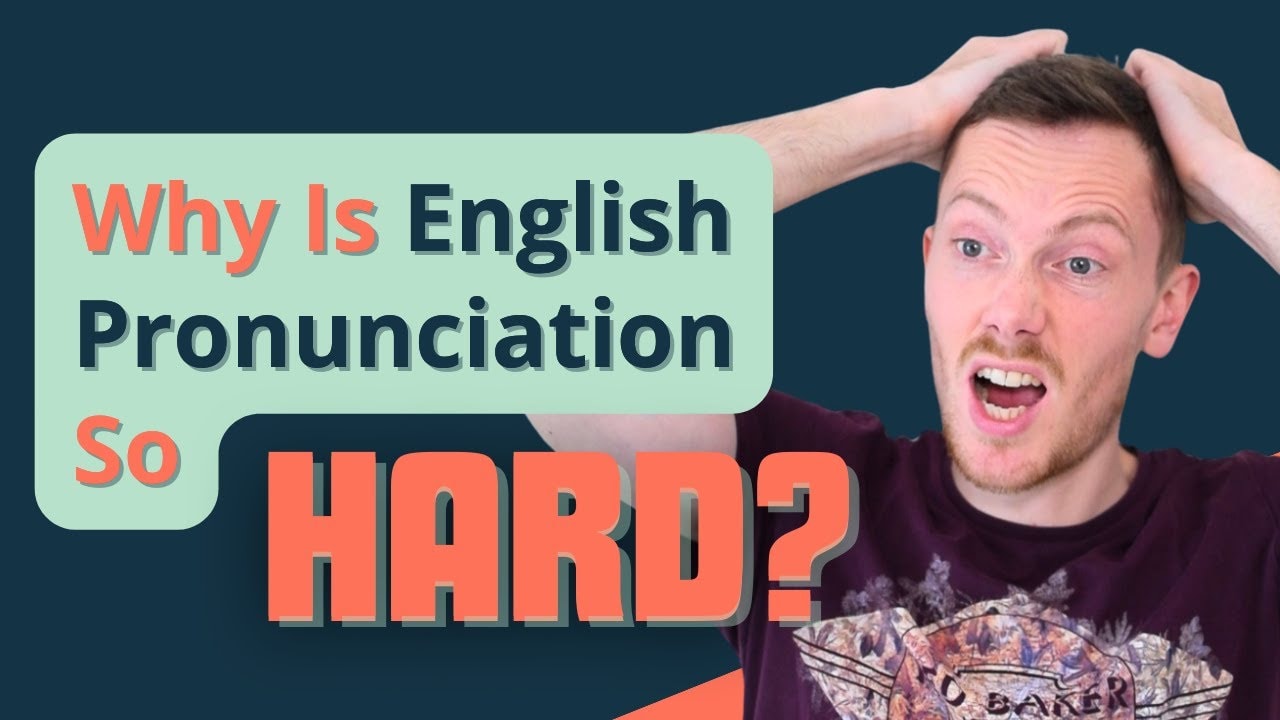
Spelling that lies to you, vowels that outnumber the letters, and stress that moves. A good place to start.
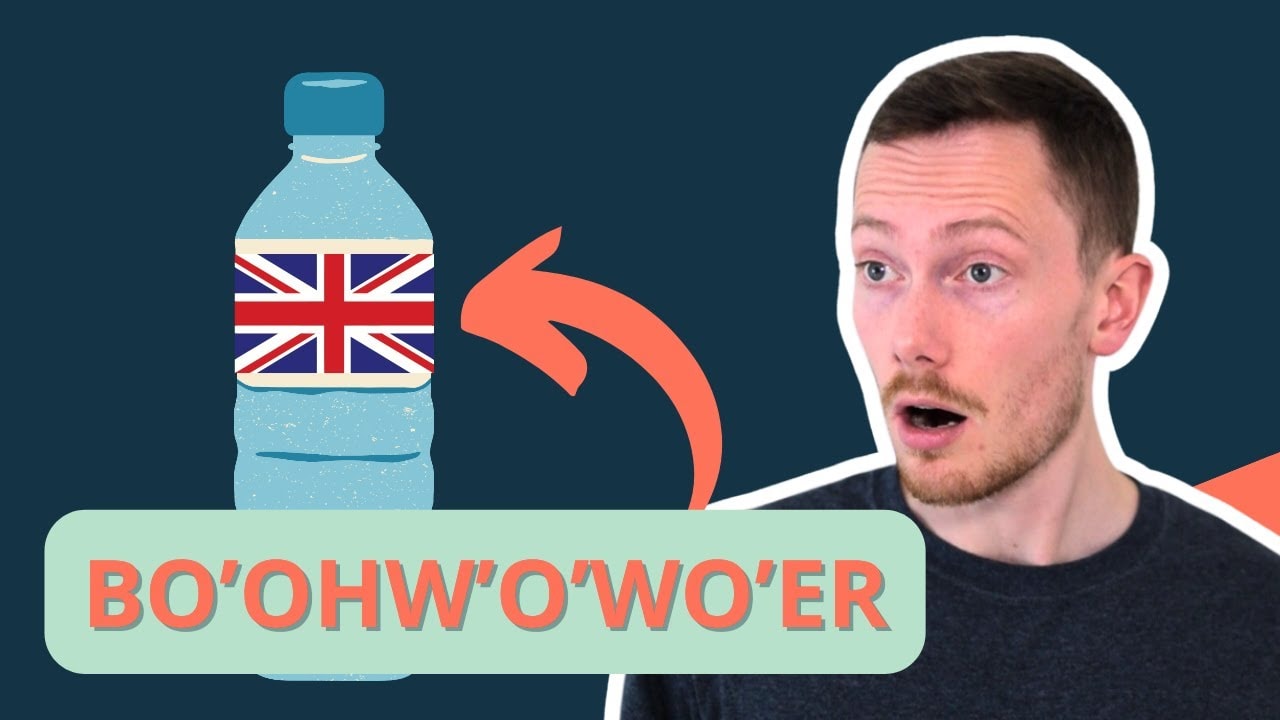
The glottal stop, explained with the internet's favourite example. Once you hear where the /t/ goes, a lot of British speech stops sounding slurred.
Every video here is free on Lean English Pronunciation's channel. Subscribing costs nothing and is the thing that actually helps.